As tax advisers, we have long insisted that, to be competitive and attract companies with a strong technology component, such as those in the TravelTech sector, the few tax incentives that exist must be applied with legal certainty.
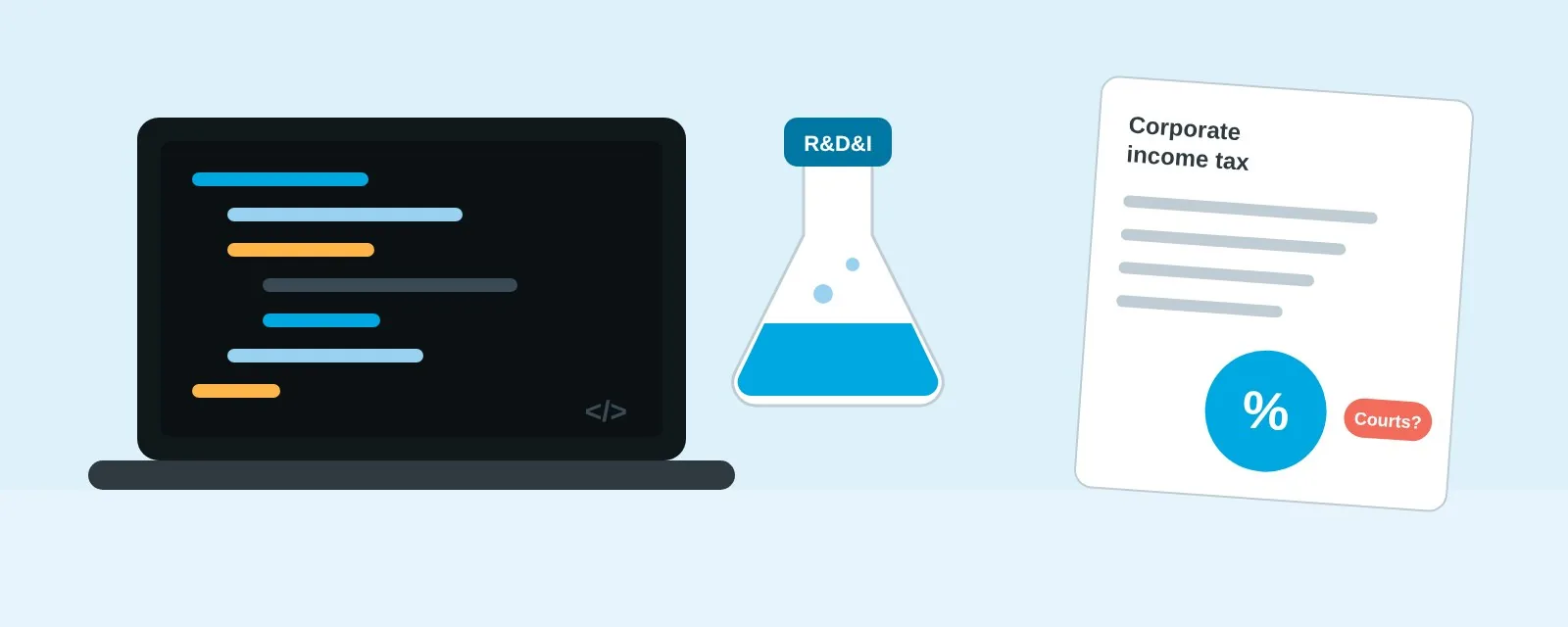
Reality has gone the other way. In 2022, the National High Court (Audiencia Nacional) changed its approach to the technological innovation tax credit for software development. It held that, even where there was a binding reasoned report from the Ministry of Science and Innovation, those costs did not relate to industrial design or production process engineering, which are what count towards the technological innovation tax credit.
The cassation appeal before the Supreme Court
On 18 October 2023, the Spanish Supreme Court admitted a cassation appeal in which it had to decide whether the Spanish Tax Agency (AEAT) can deny a technological innovation tax credit based on a report from its own IT Support Team and, therefore, what weight the reasoned report carries.
In our practice we have always recommended supporting R&D and technological innovation tax credits with reasoned reports, because they are a way of managing tax risk.
What has the Supreme Court decided?
In October 2024, the Supreme Court decided this appeal and two others on the same issue (judgments of 8 October 2024, appeal 948/2023, and of 9 October 2024, appeals 1633/2023 and 1635/2023). Its conclusion finds in favour of the companies:
- The reasoned report from the Ministry of Science and Innovation is binding on the Tax Agency in every respect: in classifying the project as technological innovation and in the costs and investments assessed.
- The Tax Agency cannot contradict it with a report from its own IT Support Team.
The judgments overturned the National High Court’s decisions and recognised the right to the tax credit. In practice, the reasoned report becomes the best guarantee for applying the tax credit safely.
What we recommend doing now
It depends on each company’s risk profile, but there are basic recommendations for any TravelTech company, or any company in a sector with significant technology development:
- Completed or ongoing projects: analyse precisely what the work carried out consists of and what result it has produced. In an inspection, developing software from scratch is not treated the same as updating an in-house development.
- Future projects: technical leads should explain to the tax advisers what the work will involve, its timeframe and the resources that will be allocated.
- Tax credits already claimed: review what supporting documentation exists for the tax credits declared in the corporate income tax return. If there is no minimum defence of those tax credits, the risk is at its highest, and it is a situation we come across more often than we would like.
More legal certainty is needed
The rules on these incentives in corporate income tax need a thorough overhaul, because they are too ambiguous and lead to situations that should never have arisen. If the aim is to back technology companies, it must be done clearly and without legal loopholes; otherwise, opportunities will be lost as companies seek that legal certainty in other countries.
Frequently asked questions
Can software development qualify for the technological innovation tax credit?
It can. The National High Court denied it in 2022 in a case with a reasoned report, but the Supreme Court, in judgments of 8 and 9 October 2024, held that the report binds the Tax Agency. Having one is the best protection for the tax credit.
Is the reasoned report binding on the Tax Agency?
Yes. According to the Supreme Court (judgments of 8 and 9 October 2024), it binds the Tax Agency as to the classification of the project and the costs assessed, and the Tax Agency cannot contradict it with a report from its own IT team.
Sources
This article is for information only and does not constitute legal or tax advice.